How Population Growth Is Structurally Reshaping the Real Estate Market
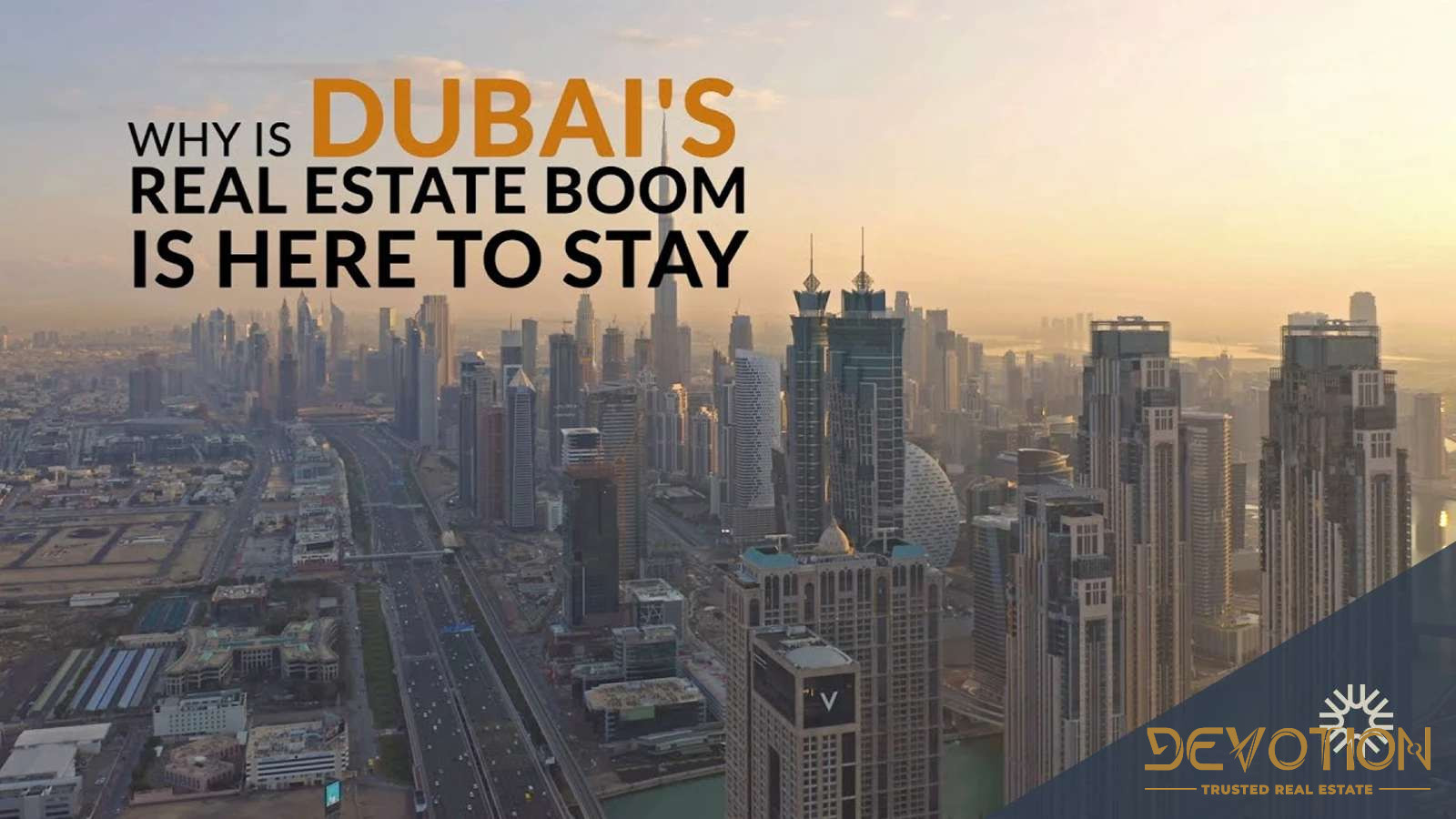
Dubai’s real estate expansion is no longer a cyclical surge driven by speculation. The current “property boom” is fundamentally anchored in sustained demographic growth, economic diversification, and long-term urban planning.
As of 2025, Dubai’s population has officially crossed the four-million mark, reflecting one of the fastest urban growth trajectories among global cities.
Population Growth: The Structural Engine Behind Demand
By the end of August 2025, Dubai added approximately 18,000 new residents in a single month, underscoring consistent inbound migration.
This growth is supported by:
- Expansion of multinational corporations
- Strong job creation across finance, technology, tourism, and logistics
- Business-friendly regulatory reforms
- Long-term residency initiatives such as Golden Visa programs
- Increasing relocation of high-net-worth individuals
Unlike short-term demographic spikes, Dubai’s expansion is underpinned by economic fundamentals and sustained corporate formation activity.
Record-Breaking Property Transactions
The demographic surge has translated directly into housing demand across both rental and ownership segments.
According to the Dubai Land Department:
- AED 680+ billion in property sales were recorded in 2025
- Over 200,000 property transactions, the highest annual figure on record
- Total real estate transaction value, including mortgages, reached approximately
AED G16 billion
- Q4 2025 alone exceeded AED 187 billion, marking the strongest quarterly performance in Dubai’s real estate history
These figures confirm that demand is broad-based, spanning off-plan developments, ready properties, luxury villas, and mid-market residential units.
Why Dubai Is Outperforming Global Markets
Dubai currently ranks among the top-performing global residential markets due to several structural advantages:
1. Employment and Business Expansion
Consistent company registrations and financial sector growth continue to attract professionals and investors.
2. Controlled Supply in Prime Communities
Limited availability in established luxury districts has supported capital value resilience and rental growth.
3. Attractive Rental Yields
Dubai offers average rental returns between 6% and 8%, significantly higher than many mature global cities.
4. Improved Financing Conditions
Easing borrowing costs are gradually strengthening end-user demand and buyer confidence heading into 2026.
Transition from Speculation to Structural Demand
The next phase of Dubai’s real estate cycle is expected to be defined by:
- Infrastructure-led expansion
- Disciplined project delivery
- Master-planned community development
- Sustainable, end-user-driven demand
This indicates market maturation rather than overheating.
Long-Term Vision: Planning for 2040
Under the Dubai 2040 Urban Master Plan, the emirate aims to accommodate an estimated population approaching six million by 2040.
The master plan prioritizes:
- Expansion of residential communities
- Enhanced public transport connectivity
- Increased green and recreational spaces
- Strengthening of healthcare and education infrastructure
- Balanced urban density and live ability
This strategic urban framework provides long-term confidence for investors and developers alike.
Conclusion: A Boom Backed by Fundamentals
Dubai’s property boom is not a temporary upswing. It is a demand-driven expansion supported by:
- Rapid and sustained population growth
- Record transaction volumes
- Strong rental yields
- Global capital inflows
- Long-term infrastructure planning
With demographic momentum and policy stability working in tandem, Dubai remains positioned as one of the most structurally resilient real estate markets globally heading into 2026 and beyond.
.jpg)